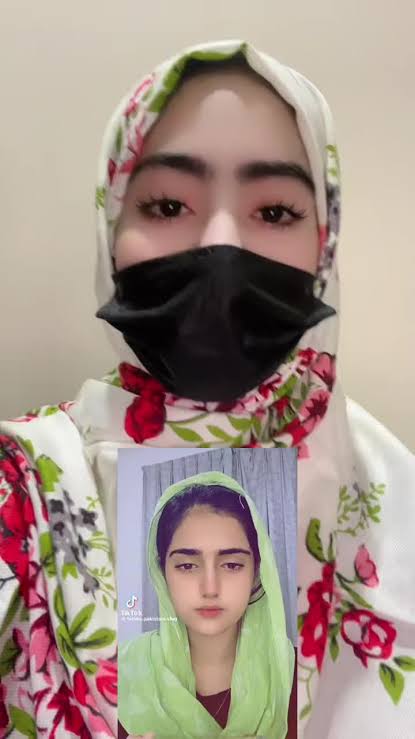
The internet is abuzz with the alleged Fatima Jatoi viral video, specifically a purported “6 minutes 39 seconds” clip that has sent shockwaves across social media platforms.
This Fatima Jatoi viral video controversy, also referred to as the Fatima Jatoi leak, has ignited widespread discussion, particularly concerning the authenticity of online content and the perils of deepfake technology.
While searches for “Fatima Jatoi 6 minutes 39 seconds” are incredibly high, it’s crucial for users, whether in Nigeria, the UK, the US, or elsewhere, to understand the true nature behind this trending topic.
This article delves into the details surrounding the Fatima Jatoi deepfake, providing clarity and essential information to protect internet users globally from malicious online activities associated with the Fatima Jatoi viral clip.
Fatima’s Leak Origin
The origins of the Fatima Jatoi viral video trace back to a sudden surge in online chatter about a “leaked” private video featuring the prominent Pakistani influencer.
Phrases like “Fatima Jatoi new video” and “Fatima Jatoi full video” quickly became high-traffic search terms. However, Ms. Jatoi herself has vehemently denied the existence of any such authentic content, asserting that the alleged “6 minutes 39 seconds” video is entirely fabricated using advanced AI deepfake technology.
This highlights a growing global concern: the ease with which convincing, yet entirely false, visual content can be created and disseminated. For users searching for “Fatima Jatoi video link” or “Fatima Jatoi clip,” this deepfake warning is paramount.
Why Is The Video Popular?
What makes the Fatima Jatoi viral video phenomenon particularly concerning is its weaponization for malicious purposes.
Many of the links promising access to the “Fatima Jatoi 6 minutes 39 seconds” clip are not what they seem. Cybersecurity experts, both in Nigeria and internationally, have cautioned that these links are often sophisticated phishing traps or contain malware.
Clicking on these deceptive links, often found through searches like “Fatima Jatoi latest video” or “Fatima Jatoi telegram,” can compromise personal data, infect devices with viruses, or lead to other severe security breaches.
Fatima Jatoi Leaked Video
The intent behind propagating the Fatima Jatoi deepfake extends beyond mere defamation; it’s a calculated cyber-attack.
The global reach of the Fatima Jatoi viral video underscores the borderless nature of internet trends and cyber threats. Whether you are searching from Lagos, London, or New York, the same risks apply.
The use of terms like “Fatima Jatoi deepfake video” or “Fatima Jatoi deepfake news” by reputable sources helps to combat the spread of misinformation by highlighting the artificial nature of the content.
This incident serves as a stark reminder for all internet users, regardless of their geographical location or preferred platform (be it TikTok, X, or Instagram), to exercise extreme caution when encountering sensational “leaked” content and to always verify information from trusted sources before engaging.
In response to the overwhelming traffic around “Fatima Jatoi viral video download” and similar searches, it’s critical to reiterate that engaging with such content not only risks your digital security but also inadvertently contributes to the harassment and defamation of individuals like Fatima Jatoi. Supporting victims of deepfake technology involves not searching for or sharing the fabricated content.
Instead, the focus should be on reporting malicious links and promoting digital literacy. This collective responsibility is vital for fostering a safer online environment for everyone, from Abuja to Austin.
Conclusion
Ultimately, the Fatima Jatoi viral video story is not about a “leak” but about a sophisticated cyber attack leveraging deepfake technology.
The “Fatima Jatoi 6 minutes 39 seconds” clip is a hoax designed to exploit public curiosity.
By understanding the mechanisms behind such hoaxes and exercising vigilance, users worldwide can protect themselves from phishing attempts and contribute to a more responsible online community. Remember, if a piece of “viral” content seems too sensational to be true, it very likely is, especially in an era dominated by advanced AI image and video manipulation.
Frequently Asked Questions: Fatima Jatoi Viral Video
Is the Fatima Jatoi 6 minutes 39 seconds original video real?
No. Investigations by fact-checkers and cybersecurity experts have confirmed that the alleged Fatima Jatoi original video does not exist. The claims are part of a coordinated “engagement bait” campaign. Most clips being circulated are either old vlogs taken out of context or AI-generated deepfakes.
Where can I find the Fatima Jatoi video link?
You should avoid clicking on any Fatima Jatoi video link found on X (Twitter), Telegram, or Instagram. These links are typically “phishing traps” or “malware hubs” designed to compromise your device, steal login credentials, or install spyware under the guise of an age-verification pop-up.
What did Fatima Jatoi say about the viral clip?
Fatima Jatoi released an official statement on her social media handles (TikTok/Instagram) where she vehemently denied the rumors. In a raw video, she swore by the Holy Quran that the footage is fake, stating that her face was digitally superimposed onto someone else’s body using deepfake technology.
Why is “6 minutes 39 seconds” trending in Pakistan and India?
Cybercriminals use exact timestamps like “6:39” or “7:11” to create an illusion of authenticity. It triggers a psychological response in users who assume a specific time length means the content is “uncut” or “raw,” making them more likely to click malicious links.
Is the Fatima Jatoi leak related to the Umair 7:11 scandal?
Yes. Both incidents are part of a 2026 trend where influencers are targeted with fabricated “MMS” (Multimedia Messaging Service) leaks. These are often used as “digital honey-traps” to drive massive traffic to shady websites or to settle personal vendettas through character assassination.
Can I be arrested for sharing the Fatima Jatoi deepfake video?
Yes, in many jurisdictions (including Nigeria’s Cybercrimes Act and Pakistan’s PECA laws), disseminating non-consensual deepfake pornography or defamatory AI-generated content is a criminal offense punishable by fines or imprisonment.